
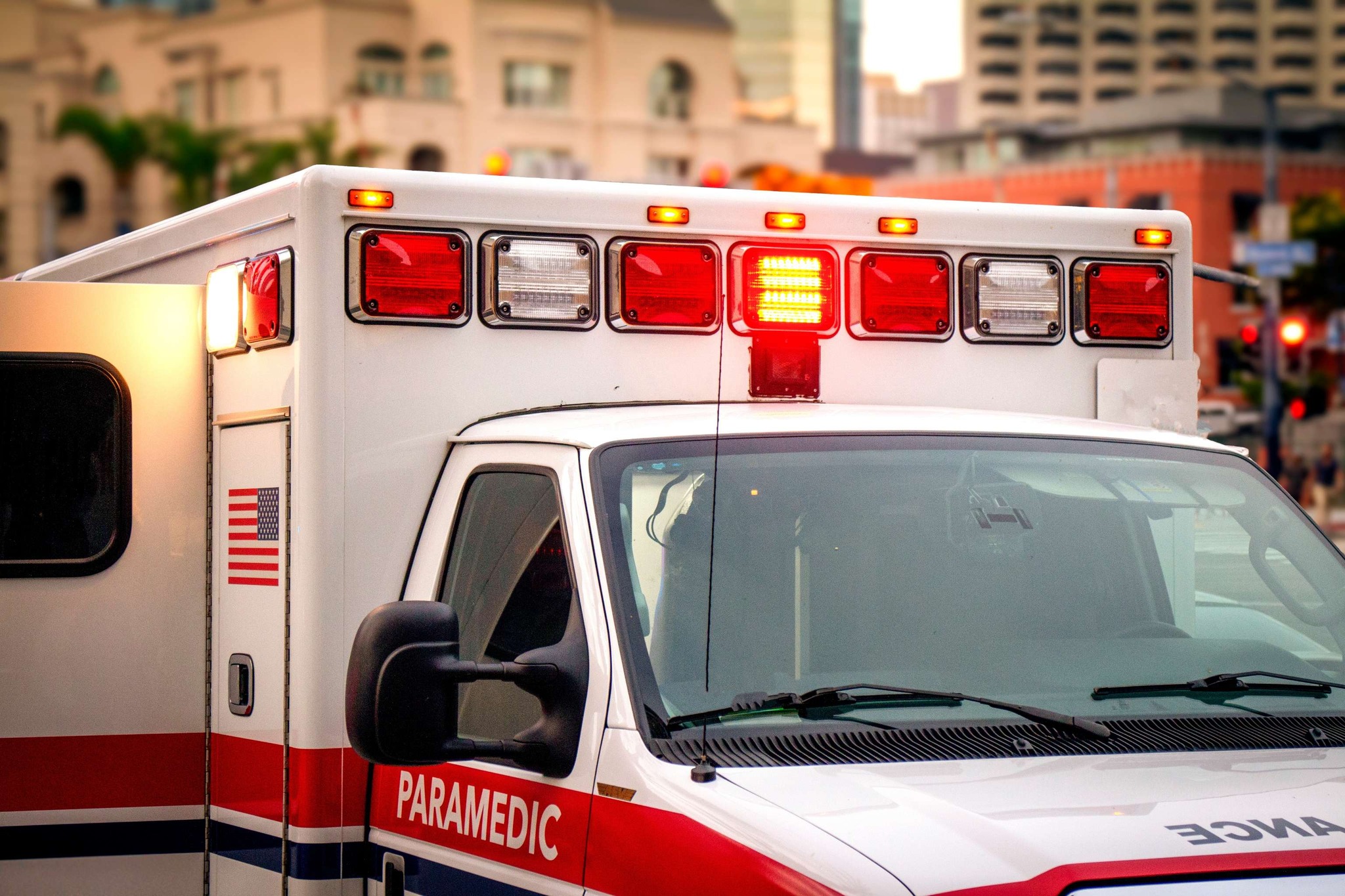
Organizing an event, whether it is a local 5k or a high-capacity music festival, involves a complex web of logistics. Among the most critical components of a successful event plan is the provision of medical support. Meeting attendee welfare needs is not just a regulatory requirement in many jurisdictions; it is a fundamental aspect of responsible event management.
When evaluating event first aid service providers, several components matter. A well-structured first aid plan integrates activity assessment, expertise, and coordination with local emergency resources. This guide explores the factors to consider when selecting a first aid partner.
Understanding the Scope of Event Medical Services
Event First Aid Services encompass a wide range of on-site response and escalation support.
Effective medical coverage may involve several layers:
- First Aid and Basic Life Support (BLS): Handling minor injuries and initial stabilization.
- Physician Oversight: Ensuring all First Aid Responders operate under physician-directed guidelines and the delegated authority of the Physician Medical Director.
- EMS / Advanced Life Support (ALS): When situations exceed first aid scope, First Aid Responders activate 911 and coordinate handoff to EMS, which provides ALS-level care and transport.
1. Activity Assessment
A professional First Aid team will assess the overall profile of your event to determine the appropriate level of coverage. This typically includes:
- Attendee Demographics: Age ranges impact incident profiles. Senior-focused events may see more cardiac presentations; youth athletic events tend to involve a higher rate of contact and musculoskeletal injuries.
- Environmental Factors: whether the event is inside or outdoors affects the types of incidents likely to occur.
- Event Duration: Longer events increase cumulative fatigue for attendees, often increasing incident frequency as hours pass.
2. Clinical Expertise
Different event types present different incident profiles. Work with a provider experienced in environments similar to yours.
Sports and Athletics
Athletic events involve sports-specific injuries. First Aid Responders covering collegiate or youth athletic events are trained to follow physician-directed guidelines for suspected TBI presentations, including escalation to a hospital Emergency Department or specialist when indicated. Extreme sports coverage requires readiness for high-impact injuries.
Entertainment and Festivals
Large-scale gatherings such as concerts require a different approach. Concert medics and music festival medics First Aid Responders at concerts and festivals often respond to substance-related presentations, crowd-related incidents, and fatigue. These environments use mobile teams capable of navigating dense crowds.
Specialized Production Environments
Film and television productions have unique needs. Movies and TV medics provide First Aid Responders on set provide extended standby coverage for cast and crew, often in remote locations where EMS response times may be extended.
3. Physician Oversight and Licensing
A critical aspect of event first aid services is the governance structure. First Aid Responders, including EMTs and Paramedics, operate under the delegated authority of the Physician Medical Director.
Organizers should verify:
- The Role of the Medical Director: Is the physician actively involved in developing and overseeing response guidelines?
- Compliance: Does the provider adhere to state-specific regulations regarding scope of practice?
- Certifications: Confirm all staff hold current, valid credentials for the jurisdiction in which the event is held.
4. Equipment and Logistics
A professional event first aid provider should supply:
- Automated External Defibrillators (AEDs): Some venues have AEDs on hand; confirm whether the provider supplies their own.
- Communication Systems: Dedicated channels to coordinate with event security and local EMS.
- Mobility Equipment: Depending on venue size, this may include specialized carts for moving guests to a First Aid area. Patient transport to hospital is handled by EMS, not the First Aid team.
- Dedicated Guest Space: A designated First Aid area allows responders to manage guests appropriately while awaiting EMS when required.
5. Integration with Local Authorities
Event First Aid teams act as a link between your event and the local EMS system.
- Identify nearby hospitals and EMS agencies before the event.
- Confirm ambulance access routes to all areas of the venue for EMS handoff when transport is required.
6. Professionalism and Discretion
In many settings, First Aid Responders are a visible part of the event’s guest services presence. Staff should be professional, approachable, and trained to maintain patient confidentiality in accordance with HIPAA requirements. Discretion is particularly important for high-profile productions and private gatherings.
Conclusion: Prioritizing Attendee Welfare
Choosing the right event first aid provider is a decision that impacts the experience of every attendee. By focusing on physician-directed oversight, experience, and careful planning, organizers can ensure a structured response is in place for the unexpected. Whether you are hosting a local tournament or a large-scale summit, the goal is the same: a first aid presence prepared to respond to the well-being of every individual on-site.
Frequently Asked Questions
What is the difference between a first aid tent and event medical services? A first aid tent typically provides basic care for minor cuts or bruises. Event first aid services involve physician-directed oversight, trained First Aid Responders, and defined escalation pathways to EMS.
How many medical staff do I need for my event? Staffing levels depend on attendance, event type, and local requirements. A professional provider will assess your event profile and recommend an appropriate configuration.
Does my event need a physician on-site? Most events do not require a physician to be physically present. All event first aid services should operate under the remote oversight of a Physician Medical Director who establishes physician-directed guidelines for on-site staff.
What insurance should an event medical provider have? Providers should carry professional liability (malpractice) insurance and general liability insurance applicable in the jurisdictions where services are delivered. Organizers should request a Certificate of Insurance.
Contact a Professional
To learn more about how to structure a medical plan for your specific event type, consider consulting with an expert in event welfare.
Learn more about Event Medical Services
Disclaimer: This content is provided for informational purposes only and does not constitute medical or legal advice. Reading this content does not establish a medical or professional relationship with Heed Health LLC or Heed Medical P.C. (or Heed Medical P.A.). The information presented is general in nature and is not intended to represent or define the specific services provided. Event medical planning should be tailored to each event’s unique risks, regulatory requirements, and operational needs.