
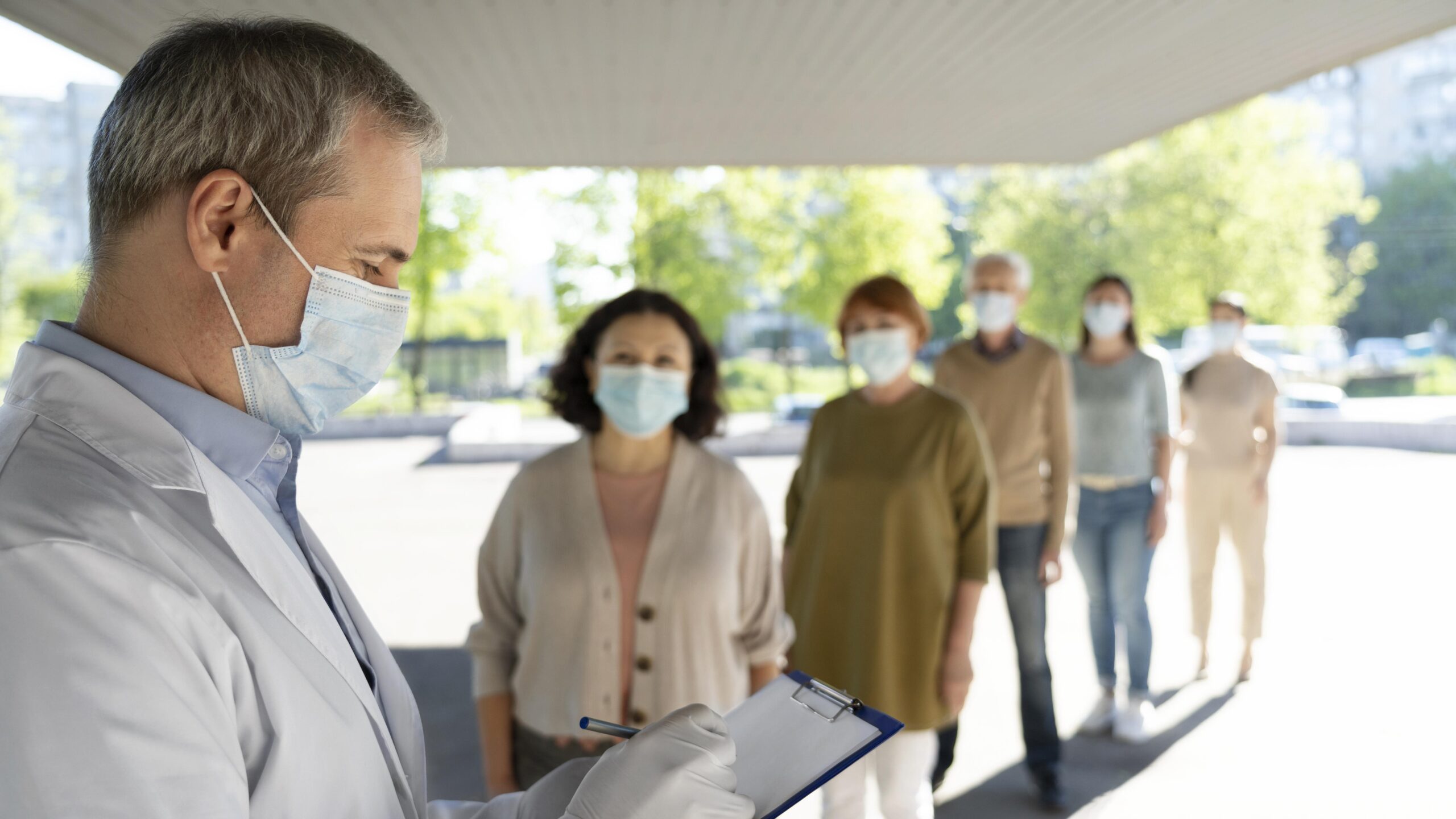
Public safety is the cornerstone of any successful gathering. Whether it is a high-profile film production or a local community race, the presence of event medical services assists with the safety net. Beyond simply treating injuries, these services provide a structured approach to guest management, supporting medical emergencies without overwhelming local municipal resources.
In an era of increasing crowd sizes and complex event logistics, understanding the multi-faceted role of medical providers is essential for any organizer committed to the welfare of their participants.
Proactive Risk Mitigation and Planning
The role of event medical services begins long before the first attendee arrives. Public safety is best preserved through proactive planning rather than reactive measures. A professional medical team discusses the hazards associated with an event to create a customized safety infrastructure.
For example, motor sports medics focus on rescue and high-impact protocols, while marathon and race medics prepare for environmental stressors like fatigue or cardiac events over long distances. By identifying these risks early, medical providers can station resources where they are most likely to be needed, significantly reducing response times.
Reducing the Burden on Local Infrastructure
One of the most significant contributions of event medical services to public safety is the “on-site treatment” model. When an event lacks dedicated medical staff, every minor injury or health scare typically results in a 911 call. This can quickly deplete local ambulance availability and overcrowd community emergency rooms.
By utilizing special event medics, many guests’ issues can be addressed and released on-site. This “treat-in-place” philosophy ensures that:
- Local 911 systems remain available for the general public.
- Hospital ERs are not inundated with non-emergency event cases.
- The event remains compliant with local permits that often require a dedicated medical presence to avoid taxing city resources.
Customized Care for Unique Environments
Public safety requirements shift dramatically depending on the setting. A one-size-fits-all approach is often insufficient for ensuring the well-being of diverse groups.
Youth and Collegiate Athletics
Ensuring the safety of student-athletes requires a specific mindset. Youth sports medics and college sports medics are trained to recognize signs of concussion, fatigue, and orthopedic injuries that are common in competitive play. Their presence allows for immediate recognition, which is vital for preventing long-term injury.
Extreme Sports
For events involving high speeds or rugged terrain, Extreme sports medics provide specialized stabilization techniques that are crucial while awaiting for a higher level of care.
Production and Corporate Settings
Public safety also extends to the workplace. On active sets, movies and TV medics address the cast and crew, ensuring that long hours and physical stunts do not lead to preventable accidents. In a professional setting, corporate event medics provide a discreet yet capable medical presence that assists with executive and guest well being during conferences or galas.
Response in Large Crowds
In high-density environments, such as those managed by music festival medics or concert medics, the physical layout of the venue can be a barrier to safety. Public safety is maintained through the use of:
- Roaming Teams: Medics on foot or bikes who can reach a patient in a crowd faster than a vehicle.
- Stationary Med Stations: Clearly marked areas where attendees can seek help for anything from blisters to respiratory distress.
- Communication Hubs: Centralized dispatching that coordinates with security and event management.
The Importance of Physician-Led Oversight
The efficacy of event medical services is rooted in clinical governance. Having medical personnel who operate under the direct oversight of a medical director means that the care provided is evidence-based and legally compliant. This oversight provides a framework for:
- Standardized Protocols: Ensuring every guest receives a consistent level of care.
- Quality Assurance: Regular reviews of guest encounters to improve future plans.
- Legal Protection: Adhering to professional standards that mitigate liability for the event organizer.
Frequently Asked Questions
Why can’t I just rely on calling 911 for my event? While 911 is a vital resource, relying solely on municipal EMS can lead to long wait times in crowded venues. Furthermore, many jurisdictions require a dedicated event medical services plan to grant permits, as it prevents the event from draining local emergency resources.
What is the role of a Medical Director in public safety? A Medical Director is a physician who oversees the clinical actions of the on-site medics. They provide the licenses and protocols that allow EMTs and Paramedics to administer treatments, ensuring all care meets professional medical standards.
How do medical teams communicate during an emergency? Professional event medical services may use dedicated radio frequencies and “Event Action Plans” (EAPs) to coordinate with security, venue staff, and local authorities, ensuring a unified response to any incident.
Do smaller events still need professional medical coverage? Yes. Even at smaller gatherings, medical emergencies like cardiac arrest or severe allergic reactions can occur. Having special event medics on-site ensures that emergent support is seconds away rather than minutes.
Enhance Your Event Safety Plan
If you are currently planning a gathering and want to ensure the highest standards of public safety, it is helpful to consult with a provider experienced in physician-directed medical solutions.
Explore Comprehensive Event Medical Services
Disclaimer: This content is provided for informational purposes only and does not constitute medical or legal advice. Reading this content does not establish a medical or professional relationship with Heed Health LLC or Heed Medical P.C. (or Heed Medical P.A.). The information presented is general in nature and is not intended to represent or define the specific services provided. Event medical planning should be tailored to each event’s unique risks, regulatory requirements, and operational needs.